


ITAD vs. Storage: Hidden Costs of Holding Old IT Equipment
Organizations replace servers, laptops, networking hardware, and mobile devices regularly. New technology improves performance, supports updated software, and keeps operations competitive. What often receives less attention is what happens after that equipment reaches the end of its active use. Too often, outdated IT assets end up stored in closets, warehouses, or off-site facilities where they sit untouched for years.
Storage may seem like a safe and inexpensive option. Equipment is out of sight, budgets stay intact, and decisions can be postponed. Over time, however, the cost of storing old IT equipment grows quietly. Financial strain, security exposure, and compliance concerns accumulate while the equipment itself continues to lose value.
Comparing long-term storage with professional IT asset disposition reveals why ITAD often delivers lower risk and better outcomes.
The Ongoing Burden of Storing Unused IT Assets
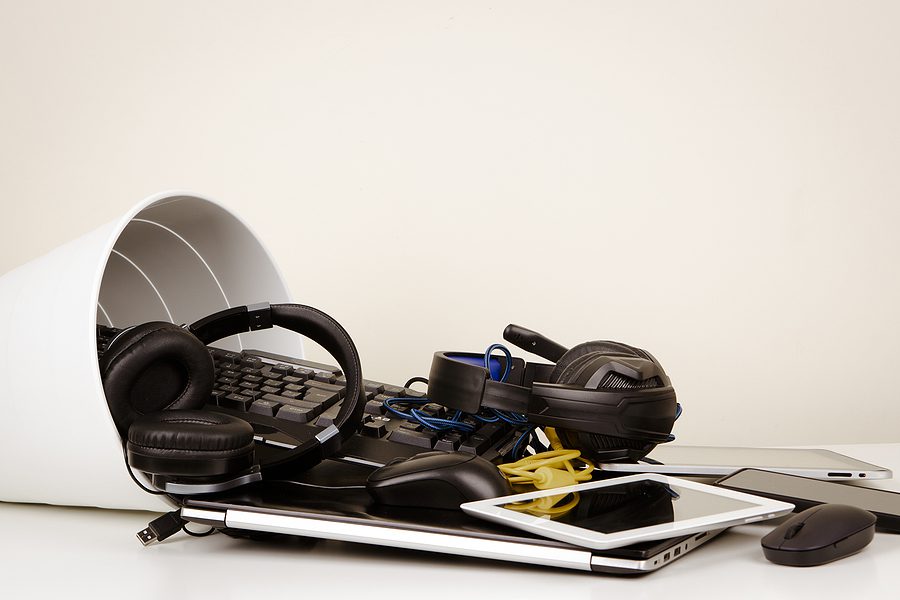
Storing retired IT equipment carries ongoing expenses that are easy to overlook. Office and warehouse space is not free, even if the equipment occupies areas that appear unused. Every rack of decommissioned servers or stack of outdated desktops consumes square footage that could be used for revenue-generating activities or future growth.
Facilities teams often spend time managing these assets without realizing it. Equipment must be inventoried, moved, and occasionally reorganized as storage needs change. Climate control, security access, and insurance add additional layers of cost. Over years of storage, these indirect expenses often exceed the residual value of the equipment itself.
Another challenge is visibility. Once hardware enters storage, tracking its condition and lifecycle becomes difficult. Labels fade, asset records become outdated, and ownership responsibility can become unclear. When staff turnover occurs, institutional knowledge about what is stored and why may disappear entirely.
This lack of visibility creates inefficiency. Teams may purchase new equipment because they are unsure what is available in storage. Audits become time-consuming exercises as staff attempt to reconcile records with physical inventory. What started as a temporary holding decision has slowly become a long-term asset management problem.
Security and Compliance Risks That Grow Over Time
The longer IT equipment sits in storage, the higher the risk of a data breach becomes. Retired devices often contain sensitive information, including customer records, employee data, financial details, and proprietary business information. Even if systems are powered down, the data stored on drives remains accessible.
Forgotten devices present an attractive target. Storage areas may not receive the same level of monitoring and access control as active data centers. Over time, physical security practices can weaken as priorities shift.
Compliance risks add another layer of concern. Many regulations require organizations to protect data throughout its entire lifecycle, including end-of-life IT management. Holding onto outdated equipment without a clear disposition plan can put companies out of compliance with data protection requirements. Penalties, legal action, and reputational damage can follow a breach or audit failure.
Technology itself also evolves. Encryption standards that were acceptable years ago may no longer meet current expectations. Older systems may lack the protections needed to safeguard data against modern threats. Storage does not pause these risks. It allows them to accumulate quietly.
The Opportunity Cost of Holding Obsolete Equipment
Beyond security and compliance concerns, storage creates a missed financial opportunity. IT hardware loses value rapidly as technology advances. Equipment that might have had resale or recycling value shortly after retirement often becomes obsolete after extended storage.
Organizations that delay IT asset recycling miss the chance to recover value through secondary markets or material recovery. Components that could have offset upgrade costs instead depreciate to the point where disposal yields little or no return.
Storage also delays sustainability benefits. Many organizations have environmental goals tied to responsible disposal and recycling. Holding onto equipment postpones these outcomes and can undermine broader corporate responsibility initiatives.
In some cases, stored equipment becomes a liability rather than an asset. When disposal becomes unavoidable, organizations may face higher costs due to outdated handling requirements or the need to expedite service to clear space quickly.
How IT Asset Disposition Changes the Equation
Professional IT asset disposition (ITAD) offers a structured alternative to long-term storage. ITAD focuses on securely removing retired equipment from circulation while addressing data security, compliance, and value recovery.
A disciplined ITAD process begins with clear documentation and a chain of custody. Assets are tracked from pickup through final disposition, providing transparency and accountability. This approach supports audit requirements and internal reporting needs.
Data protection is a central concern. Many ITAD providers emphasize physical destruction of data-bearing devices as the most reliable way to eliminate residual data risk. By rendering drives unusable, organizations can greatly reduce the risk of data exposure associated with retired equipment.
IT asset disposition also supports environmental responsibility. Equipment that cannot be reused is processed through IT asset recycling channels that recover metals and materials while reducing landfill waste. This aligns end-of-life IT management with sustainability goals.
One set of advantages that often drives the shift from storage to ITAD includes:
- Lower long-term cost compared to indefinite storage
- Reduced data breach risk and liability exposure
- Improved compliance posture and audit readiness
- Opportunity to recover value from retired assets
These outcomes address both operational and strategic concerns, making ITAD a proactive decision rather than a reactive one.
Reducing Liability Through Proper Disposition
Liability does not end when equipment is powered down. If an organization retains control of a device, it retains responsibility for the data it contains. Storage prolongs this responsibility without delivering meaningful benefits.
ITAD transfers that responsibility through documented processes. Certificates of destruction and detailed reporting provide evidence that data-bearing devices have been handled appropriately.
By reducing the volume of stored equipment, organizations also reduce the scope of potential incidents. Fewer assets in storage means fewer opportunities for loss, theft, or mishandling. This simplification helps compliance officers and IT managers focus on active systems rather than legacy risk.
Financial Clarity and Operational Efficiency
One of the most overlooked benefits of IT asset disposition is the clarity it provides. Clearing out stored equipment simplifies asset management and supports more accurate budgeting. Facilities teams reclaim space, and IT departments gain a clearer view of what assets are truly in use.
ITAD vs storage is not just a security decision. It is a financial one. Storage spreads costs over time in ways that are hard to measure, while ITAD consolidates expenses into a defined process with measurable outcomes. This clarity supports better decision-making and long-term planning.
A Smarter Approach to End-of-Life IT Management
Professional IT asset disposition offers a cleaner path forward. By addressing security, compliance, and value recovery in a single process, ITAD helps organizations close the loop on technology lifecycles. It turns end-of-life IT management into a controlled, auditable activity rather than an ongoing concern.
AccuShred provides secure IT asset disposition services that help organizations move beyond storage and reduce long-term risk. Our approach focuses on responsible handling, physical destruction of data-bearing devices, and documented processes that support compliance and peace of mind.
Retaining old IT equipment can cost more than it seems, both financially and legally. Partnering with a trusted ITAD provider minimizes exposure and supports smarter use of resources. Reach out to AccuShred today to learn how ITAD can streamline your IT asset management and help protect your organization.