



An Office File Cleanout Checklist You Didn’t Know You Needed
Many businesses accumulate outdated files and records over time, making it difficult to stay organized and increasing the risk of storing sensitive information longer than necessary. This article is written for business owners, office managers, and administrative teams responsible for managing company records. The perspective reflects AccuShred’s experience helping organizations securely dispose of confidential documents and improve records management practices. It covers signs that an office is ready for a file cleanout, how to sort and review records, why secure destruction matters, and steps for preventing paper clutter from returning.
Most office storage problems do not happen overnight. A few extra banker boxes get stacked in the corner after tax season. Old employee files stay tucked in a cabinet because nobody has time to sort through them. Duplicate paperwork piles up after years of printing documents that already exist digitally. Before long, storage rooms become difficult to navigate, filing cabinets overflow, and employees stop knowing where anything actually belongs.
Many businesses keep documents longer than necessary because cleaning out records feels overwhelming. There is often uncertainty about what should stay, what can be archived, and what needs secure destruction. Some companies avoid the process entirely because they worry about accidentally disposing of records they still need.
The longer the paper clutter builds, the harder it becomes to manage.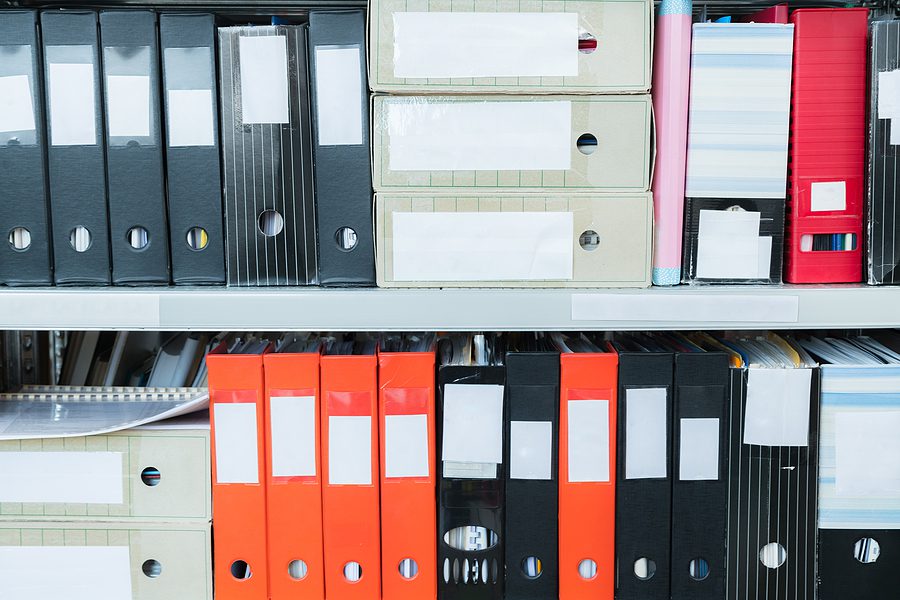
Signs Your Office Is Ready for a File Purge
Businesses usually recognize the warning signs long before they take action. Employees may struggle to locate paperwork quickly. Filing cabinets become packed with outdated documents. Storage rooms start holding records nobody has reviewed in years.
In some offices, paper clutter begins affecting productivity. Teams waste time searching through unnecessary files or storing boxes that no longer serve a purpose. During office moves or renovations, businesses often realize just how much unnecessary paperwork they have been holding onto.
There are also security concerns tied to overcrowded storage areas. Old financial records, employee files, customer information, and internal paperwork may still contain sensitive data. Leaving confidential documents sitting unsecured for years increases the risk of unauthorized access or improper disposal later.
Some businesses also hold onto records because retention policies are outdated or unclear. Without organized guidelines, employees may assume it is safer to keep everything indefinitely.
Why Businesses Keep More Than They Need
Many offices store paperwork long after its useful life has ended. Duplicate copies, expired contracts, outdated marketing materials, and old invoices often stay buried in cabinets because nobody has reviewed them closely.
Paper files also tend to accumulate during periods of growth or transition. Mergers, staffing changes, office relocations, and compliance reviews can all lead to temporary document storage that becomes permanent.
Some of the most commonly over-retained records include printed copies of digital files, outdated employee records, expired vendor agreements, old tax backups, and archived financial documents no longer needed for audits or reporting.
The challenge is not just getting rid of paper. Businesses must determine what still needs to be retained for legal, operational, or compliance reasons before disposal begins.
A Practical File Cleanout Checklist
An organized cleanout helps businesses avoid mistakes while making the process far less stressful. Instead of tackling everything at once, businesses should work through records methodically.
Here is a practical checklist businesses can follow during an office file cleanout:
- Identify the reason for the cleanout, whether it involves downsizing, annual maintenance, compliance review, or office relocation.
- Assign responsible employees or departments to oversee the process.
- Review document retention policies before sorting records.
- Go room by room and separate active files, archived records, duplicates, outdated paperwork, and confidential documents.
- Identify records still required for operations, audits, taxes, or compliance obligations.
- Separate documents that are past retention requirements or no longer needed.
- Pull confidential files that require secure destruction instead of regular disposal.
- Include hard drives, backup media, devices, and office equipment containing stored data.
- Schedule mobile shredding or off-site document destruction services.
- Request certificates of destruction for compliance tracking and internal documentation.
- Review storage systems after the cleanout to reduce future clutter.
- Create recurring shredding schedules and document handling procedures moving forward.
Breaking the process into smaller stages helps you stay organized while reducing the risk of improper disposal.
Why Secure Destruction Matters
One of the biggest mistakes businesses make during file cleanouts is throwing sensitive records into regular trash or recycling bins. Confidential paperwork should always be securely destroyed.
Employee records, payroll documents, customer files, banking information, tax records, healthcare paperwork, and legal documents can all create privacy risks if improperly discarded. Even old hard drives, copiers, and backup devices may still contain recoverable data long after they stop being used.
Secure shredding services help businesses dispose of confidential materials safely while maintaining compliance requirements. Mobile shredding services can also make large cleanouts more manageable by allowing destruction to take place at the business location.
Document destruction is not just about removing clutter. It also helps reduce liability by limiting the amount of outdated sensitive information sitting in storage areas.
For businesses handling large volumes of records, recurring shredding services can prevent paper buildup from returning. Scheduled destruction creates a more consistent process for managing documents throughout the year instead of relying on occasional large cleanouts.
Cleaner Offices Are Easier to Manage
A well-organized records system improves more than storage space. Employees can access important information more efficiently, offices stay cleaner, and businesses reduce the stress tied to overcrowded filing systems.
Regular cleanouts also support stronger security practices. Businesses gain better visibility into what records they actually maintain, where confidential information is stored, and how sensitive documents are handled.
AccuShred helps businesses simplify office cleanouts through secure shredding and document destruction services designed to support organization, compliance, and information security.
Keeping Clutter From Returning
Office file cleanouts are much easier when businesses create consistent habits instead of waiting until storage problems become overwhelming. Reviewing retention policies regularly, training employees on proper document handling, and scheduling recurring shredding services can help prevent unnecessary buildup.
Secure destruction also reduces the risks tied to storing outdated confidential information for longer than needed. AccuShred provides secure shredding and document destruction services that help businesses stay organized, protect sensitive records, and maintain cleaner office environments long after the initial cleanout is complete. To learn more about how we can help you streamline your data destruction process, contact us today.