

What Healthcare Breaches Reveal About Secure Record Disposal
Healthcare organizations handle sensitive patient information every day, but protecting that information involves more than securing electronic systems. This is written for healthcare providers and organizations that need to safely dispose of paper records containing protected health information. The perspective reflects AccuShred’s experience helping healthcare organizations protect confidential information through secure document destruction. It covers the risks associated with improper disposal, how secure shredding can support HIPAA compliance, why chain of custody matters, and how routine document destruction can reduce the risk of a healthcare data breach.
Every day, your healthcare organization collects information that patients trust you to protect. Medical histories, insurance details, prescription records, lab reports, billing information, and identification documents all contain sensitive data that deserves careful handling from the moment it is created until the day it is destroyed.
Many healthcare providers invest heavily in cybersecurity, secure networks, and employee training. Yet one area is often overlooked. Paper records and printed documents can become just as vulnerable as electronic files if they are discarded improperly. A file left in an unlocked recycling bin or an old patient chart stored without oversight can expose confidential information just as easily as a cyberattack.
Protecting patient privacy means thinking beyond digital security. Secure record disposal is an important part of a complete information protection strategy, helping you reduce risk while supporting HIPAA compliance and maintaining patient trust.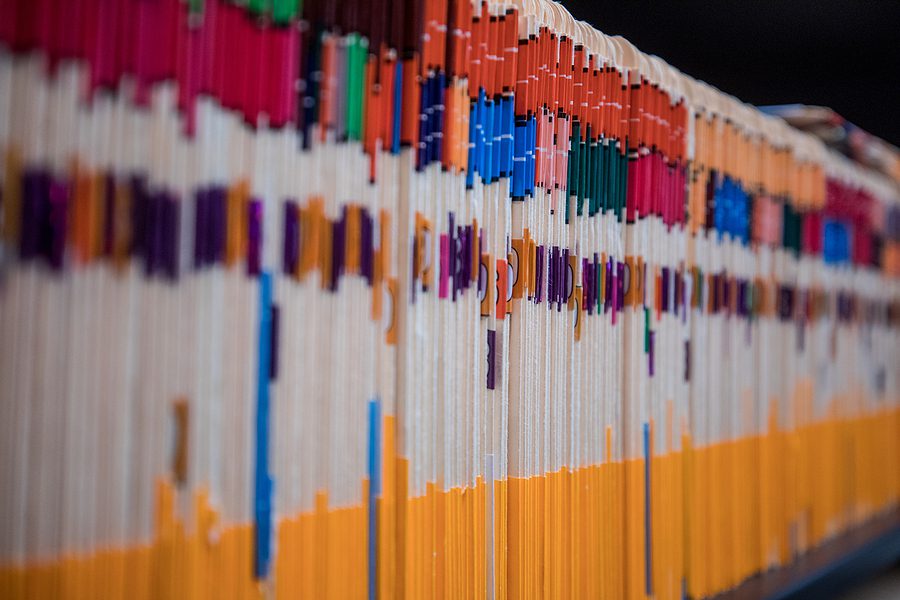
Healthcare Data Remains a Top Target
Healthcare organizations continue to experience more data breaches than many other industries. While cybercriminals often make headlines for ransomware attacks and network intrusions, not every breach begins with a computer.
Physical documents still move through hospitals, physician offices, dental practices, pharmacies, laboratories, long-term care facilities, and outpatient clinics every day. Printed patient summaries, prescription labels, billing statements, intake forms, insurance paperwork, and archived files all contain confidential information.
If these records are misplaced, stolen, or thrown away without proper destruction, they can create unnecessary security risks. Even documents that no longer have operational value may still contain protected health information that should never fall into the wrong hands.
Every record deserves protection throughout its entire lifecycle, including its final disposal.
Paper Records Can Still Create Serious Risks
Many healthcare organizations continue to rely on paper for portions of their daily operations. Even facilities that use electronic health record systems regularly print documents for patient care, insurance verification, referrals, laboratory work, and internal communication.
Common examples include:
- Patient charts and archived medical records
- Prescription information and medication labels
- Insurance forms and billing documents
- Appointment schedules and sign-in sheets
- Laboratory reports and diagnostic results
- Employee records containing personal information
These documents often move between departments before eventually becoming eligible for disposal. Without secure procedures, confidential information may remain accessible long after its business purpose has ended.
Throwing records into ordinary trash containers or unsecured recycling bins creates unnecessary exposure that can easily be avoided through professional document destruction.
Secure Disposal Supports HIPAA Compliance
HIPAA requires covered entities and business associates to protect protected health information throughout its lifecycle. That responsibility does not end when a document is no longer needed.
Organizations should establish written document retention policies and disposal procedures that address both electronic and physical records. Once records reach the end of their required retention period, they should be destroyed in a manner that prevents reconstruction or unauthorized access.
Professional shredding helps support these requirements by providing secure destruction methods that permanently destroy confidential information rather than simply discarding it.
Having documented disposal procedures also demonstrates your organization’s commitment to protecting patient privacy and maintaining compliance with regulatory expectations.
Chain of Custody Matters
Secure destruction involves much more than feeding paper into a shredder.
One of the most valuable parts of working with a professional shredding provider is maintaining a documented, unbroken chain of custody from collection through final destruction.
Secure collection containers help prevent unauthorized access while documents await pickup.
During scheduled service, trained personnel transport materials using established security procedures until they reach the destruction process. This controlled handling reduces opportunities for records to be misplaced or viewed by unauthorized individuals.
For healthcare providers, having confidence that confidential documents remain protected throughout every step of the process provides valuable peace of mind.
Routine Shredding Reduces Risk
Many organizations wait until file cabinets become full before thinking about document disposal. Unfortunately, storing unnecessary records longer than needed increases the amount of sensitive information that must be protected.
Regular shredding schedules help reduce that risk.
Routine service allows confidential documents to be destroyed consistently rather than accumulating throughout the facility. Employees also become familiar with proper disposal procedures, making secure document destruction part of everyday operations instead of an occasional project.
For larger cleanouts, one-time purge services provide a practical solution for securely destroying archived records that have reached the end of their retention period.
Whether your organization chooses scheduled service or periodic purge projects, consistency helps strengthen your overall information security program.
Secure Storage and Secure Disposal Work Together
Many healthcare providers devote significant resources to protecting records while they are actively used. Locked filing cabinets, restricted access areas, password-protected systems, and employee training all help safeguard confidential information. However, those protections lose value if documents are discarded carelessly at the end of their lifecycle.
Secure storage and secure disposal should be viewed as equally important parts of the same process. Protecting information from creation through destruction helps reduce opportunities for unauthorized disclosure while reinforcing patient confidence that their personal information remains protected.
Why Partner with AccuShred?
Choosing a document destruction provider is about more than finding someone to shred paper. You need a company that understands the importance of secure handling, dependable service, timely communications and documented destruction procedures.
At AccuShred, secure document destruction is built around protecting confidential information from collection through final destruction. Our scheduled shredding services, one-time purge options, secure chain-of-custody procedures, and Certificates of Destruction help healthcare organizations support compliance efforts while reducing the risk associated with outdated paper records. Our NAID certification proves that we live what we preach, every day, all day.
Our experienced team works with healthcare providers to develop document destruction programs that fit their operations and help simplify information management.
Protect Patient Information Until the Very End
Your responsibility to protect patient information does not stop once a record is no longer needed. Every printed report, archived chart, prescription label, and billing document deserves the same attention during disposal that it received during daily use. Contact us today to learn how a professional shredding program can help safeguard your patients and your organization.